
Intent
We aim to develop fluent, confident readers who can access, understand and enjoy a wide range of texts. Reading underpins all learning; therefore, we prioritise both word recognition and language comprehension so that every child becomes a skilled and motivated reader.
Implementation
-
Daily phonics teaching in EYFS and KS1 ensures automaticity in decoding, enabling pupils to read accurately and with increasing speed.
-
Reading teaching is carefully sequenced to develop fluency first, followed by structured comprehension.
-
High-quality texts are used to explicitly teach vocabulary and language structures, supporting both reading and writing development.
-
Regular opportunities for repeated reading support prosody (expression) and deepen understanding.
-
Reading for pleasure is promoted through a rich text environment and regular story sharing.
Impact
-
Pupils read with fluency, accuracy and growing independence.
-
Strong decoding skills enable pupils to focus on understanding meaning.
-
Children confidently discuss texts, demonstrating secure comprehension.
-
A culture of reading for pleasure is evident across the school.
Reading Progression across the school
Our reading curriculum is carefully mapped to ensure that all children develop the skills they need at each stage of their learning journey.
In EYFS and Key Stage 1, children’s reading is closely aligned with our Sounds-Write phonics programme. This provides a structured, step-by-step approach to learning to read, ensuring children develop secure decoding skills. During this stage:
-
Children read fully decodable books matched precisely to the sounds they have been taught
-
The focus is on developing accuracy, blending and early fluency
-
Regular practice helps children build confidence and automaticity in reading
Once children are secure in their phonics knowledge and ready to move beyond fully decodable texts, they progress to a wider range of reading materials designed to further develop fluency and comprehension.
In Key Stage 1 and into Key Stage 2, children begin reading from:
-
Oxford Reading Tree, which supports the development of comprehension, storytelling and reading enjoyment
-
Project X, which offers engaging, age-appropriate texts to build fluency, confidence and stamina
As pupils move into Key Stage 2, their reading development is further strengthened through daily Reading Plus sessions, which focus on:
-
Increasing reading fluency and pace
-
Developing deep comprehension skills
-
Building reading stamina and independence
This carefully sequenced approach ensures that children move from learning to read in the early years to reading to learn as they progress through the school, equipping them with the skills needed for success across the curriculum.
What is Reading Plus?
Reading Plus is an online programme that helps children become more confident, independent readers by improving their reading speed, accuracy, stamina and understanding of texts. It supports pupils in developing the higher-level skills needed to access the KS2 curriculum successfully.
Pupils take part in daily Reading Plus sessions of 20 minutes, where they engage with carefully selected texts matched to their ability. The programme adapts to each child’s progress, ensuring that they are consistently challenged at an appropriate level.
Through Reading Plus, pupils:
-
Build fluency and reading stamina through regular practice
-
Develop comprehension skills, including inference and vocabulary understanding
-
Strengthen their ability to read longer and more complex texts independently
-
Gain confidence in reading across a range of genres and topics
Reading Plus complements our wider reading curriculum by providing structured, consistent practice, helping pupils to become fluent, confident readers who are well prepared for the demands of Key Stage 2 and beyond.
-
Reading Plus info for parents - https://youtu.be/VbHctMN_G_Q?si=C7bX2ZdVhbE4Iycr and Parent Letter - Getting the Most of Reading Plus at Home.pdf
Reading for Pleasure
Our School Library
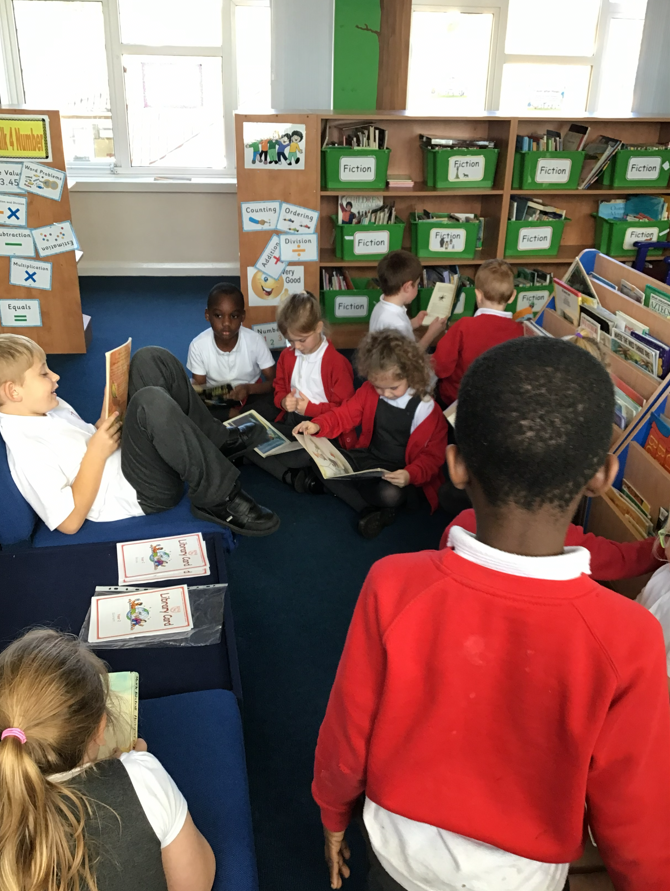
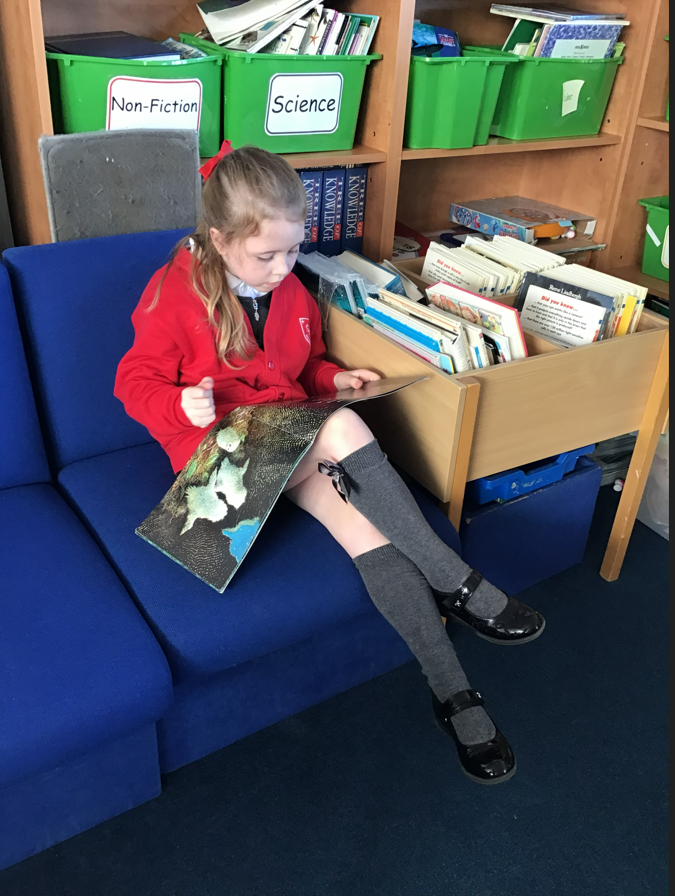
We are proud to offer a well-stocked, welcoming school library that plays a central role in promoting a love of reading across our school.
Every class has a dedicated weekly timeslot to visit the library, giving all children regular opportunities to explore and enjoy books. During these sessions, pupils independently choose a book to take home and share with their families. These books are selected by the children themselves, based on their own interests and preferences, rather than being set by the teacher. This helps to foster reading for pleasure and encourages children to see reading as an enjoyable and personal experience.
Our library offers a wide range of high-quality texts, including:
-
Storybooks and picture books
-
Chapter books and emerging readers
-
Non-fiction texts to support curiosity and learning
-
Books reflecting diverse cultures, experiences and backgrounds
We encourage parents and carers to:
-
Share these books regularly at home
-
Talk with their child about what they are reading
-
Celebrate reading as an important and enjoyable daily habit
Library books are intended to be enjoyed together, helping to build confidence, comprehension and a lifelong love of reading.
By giving children choice and ownership over what they read, we aim to nurture enthusiastic readers who are motivated to explore books both in and beyond school.
Community Library for Parents and Carers
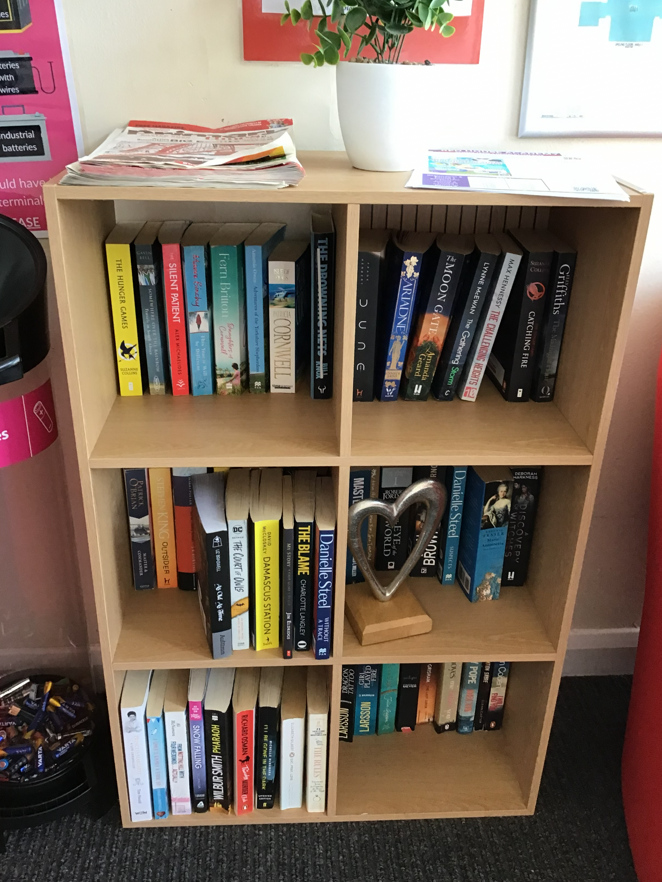
In addition to our pupil library, we are proud to offer a community library located in our school reception area. This space is available for all parents, carers and family members to enjoy.
Our community library works on a simple book swap system. Grown-ups are invited to bring in books from home that they no longer need and exchange them for something new to read. There is no set schedule—families are welcome to browse and swap books at a time that suits them.
We believe this initiative is important because children learn by example. When they see the adults around them reading, enjoying books and valuing stories, it reinforces the message that reading is important, enjoyable and lifelong. By promoting reading within the whole family, we help to strengthen children’s attitudes towards literacy and support their development as confident readers.
The community library helps to:
-
Encourage a shared love of reading within families
-
Provide easy access to a range of books for adults
-
Promote positive reading habits at home
-
Strengthen the connection between school and home learning
We warmly encourage all parents and carers to take part—whether you are a regular reader or just getting started, there is something for everyone to enjoy.
Library
Reading Ambassadors
At our school, we are proud to have a team of Reading Ambassadors across Key Stage 2 who play an important role in promoting a love of reading throughout the school.
Our Reading Ambassadors are enthusiastic pupils who are passionate about books and eager to share this with others. They act as positive role models, supporting younger readers and helping to create a strong reading culture across all year groups.
The role of our Reading Ambassadors includes:
-
Supporting younger pupils by reading with them, helping to build confidence and enjoyment
-
Promoting reading for pleasure by recommending books and sharing their own favourites
-
Supporting reading events throughout the year, such as World Book Day, author visits and themed reading activities
-
Contributing pupil voice, offering ideas and suggestions to improve reading opportunities and the library
This role is highly valued within our school, as it empowers pupils to take responsibility and have a meaningful impact on the reading experiences of others. By giving children a voice in shaping our reading provision, we ensure that it reflects their interests and motivates them to engage with books.
Our Reading Ambassadors help to inspire a whole-school enthusiasm for reading, encouraging all pupils to see themselves as readers and to enjoy books both in school and at home.
World Book Day
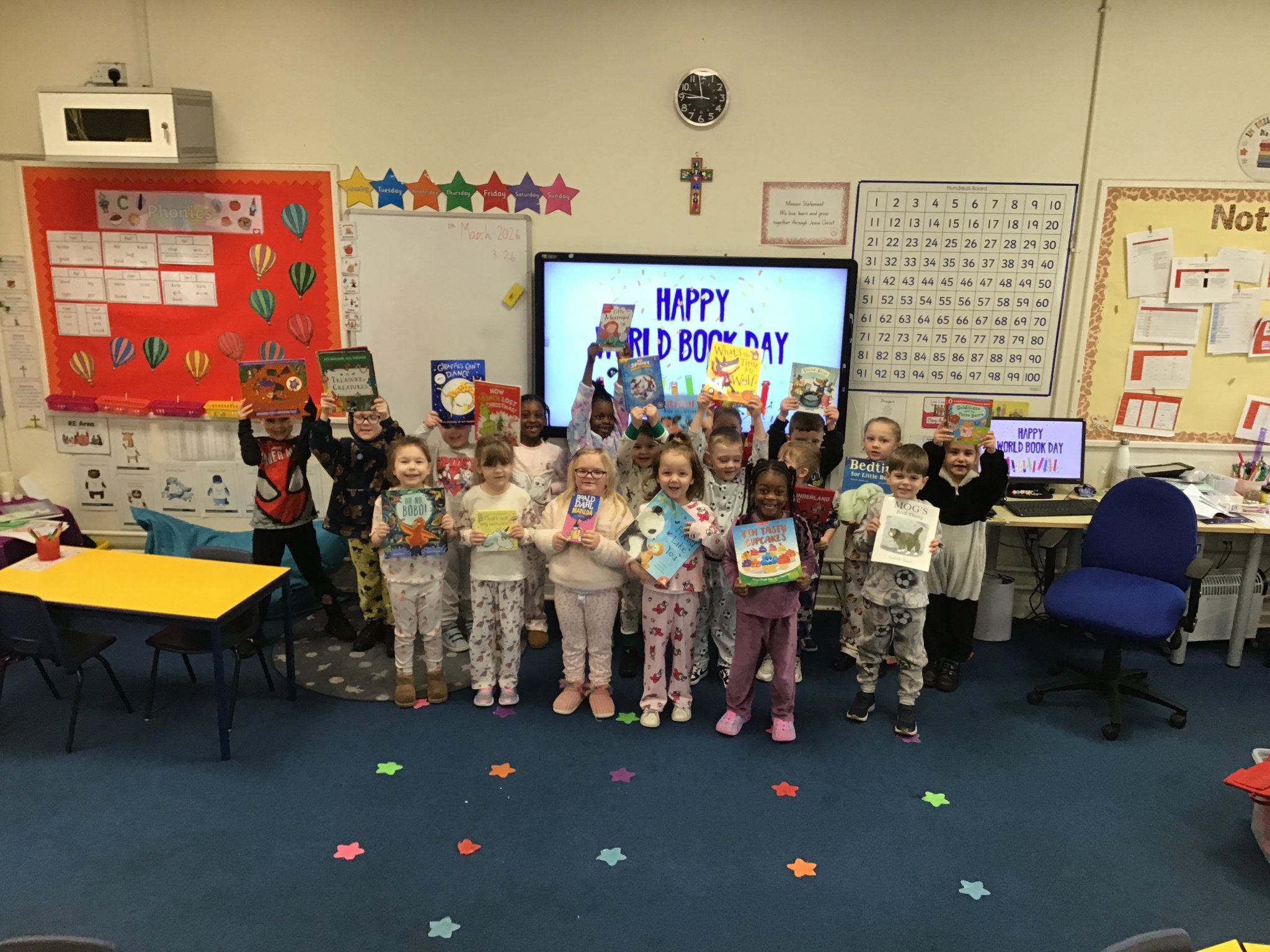
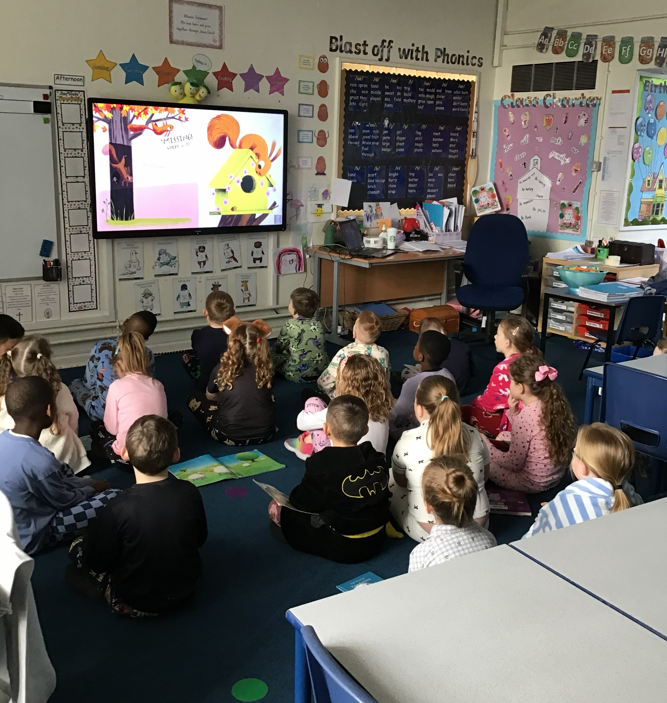
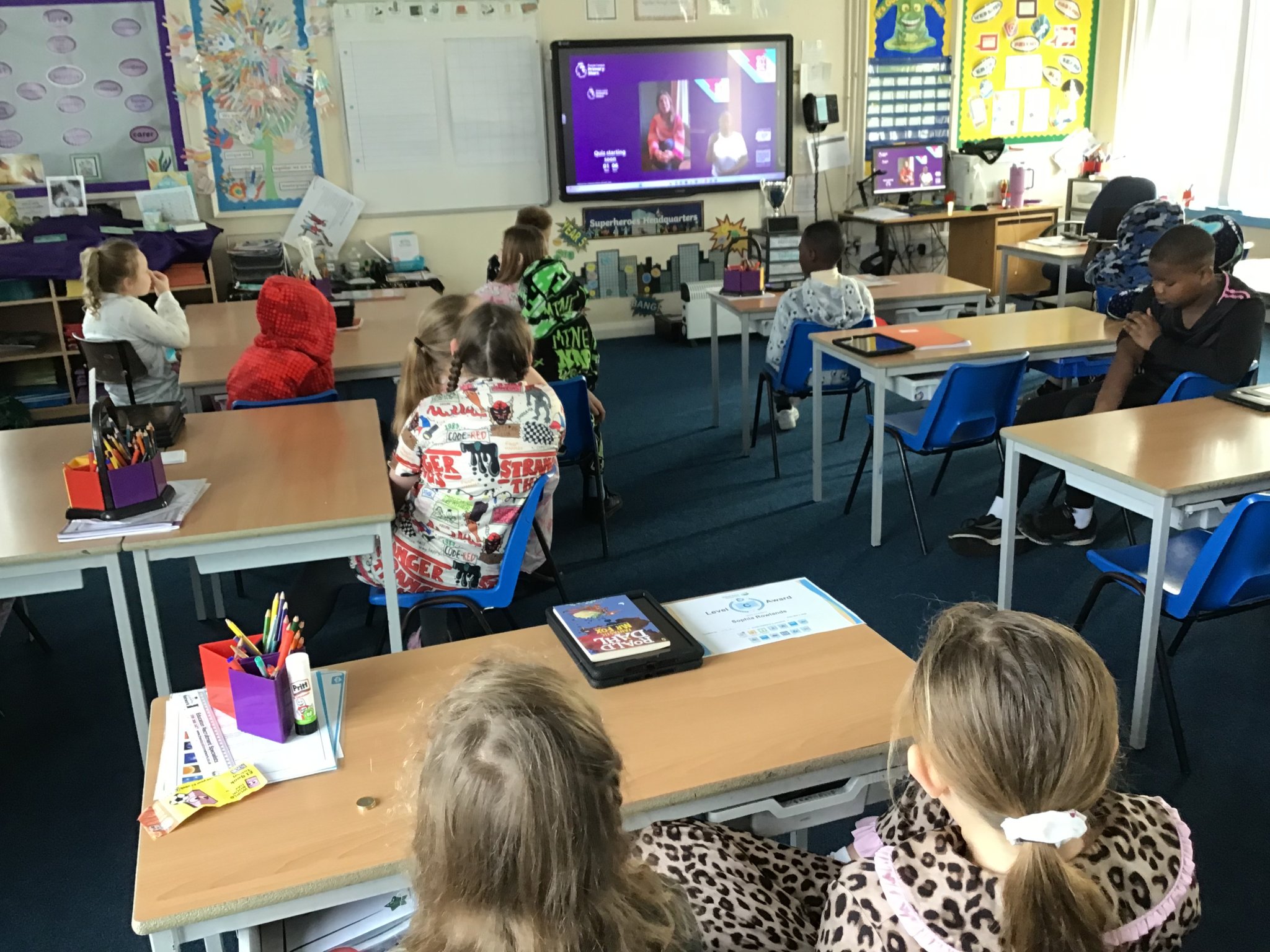
World Book Day is a highlight of our school calendar and is celebrated with great enthusiasm across the week, providing children with a range of exciting opportunities to engage with reading.
Throughout the week, we offer a variety of activities designed to inspire a love of books, including:
-
A school book fair, where children can visit with their parents and carers to explore and purchase a wide range of books to enjoy at home
-
Online author events and workshops, giving pupils the chance to hear from writers and illustrators and gain insight into the world of books
-
A fun dress-up or bedtime stories theme, where children can come to school dressed as their favourite book character or in comfortable bedtime wear, ready to enjoy shared stories
-
Competitions and challenges, encouraging creativity and celebrating reading, such as designing book covers, writing short stories or creating reading-themed artwork
World Book Day is an important opportunity to celebrate reading as a whole school community. It helps to create excitement around books, encourages children to explore new authors and genres, and reinforces the importance of reading for pleasure.
We value the involvement of families during this time and encourage parents and carers to take part in events such as the book fair, helping to make reading a shared and enjoyable experience for all.
World Book Day
Phonics and Early Reading
Intent
Our aim is for every child to become a confident, fluent reader through a clear and systematic approach to phonics teaching. Following the Sounds-Write programme, we prioritise the development of accurate decoding, spelling and word recognition skills, enabling pupils to read with automaticity. We recognise that early reading is the foundation of all learning, and we are committed to ensuring all children develop the essential knowledge and skills to become successful readers.
Implementation
-
We teach phonics using the Sounds-Write linguistic phonics programme, delivering daily, structured lessons that are carefully sequenced and cumulative.
-
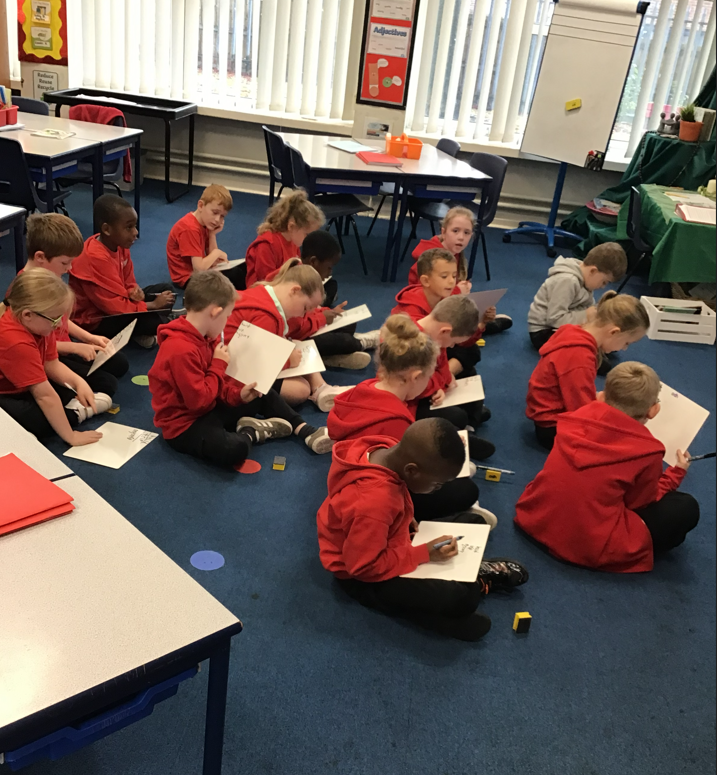
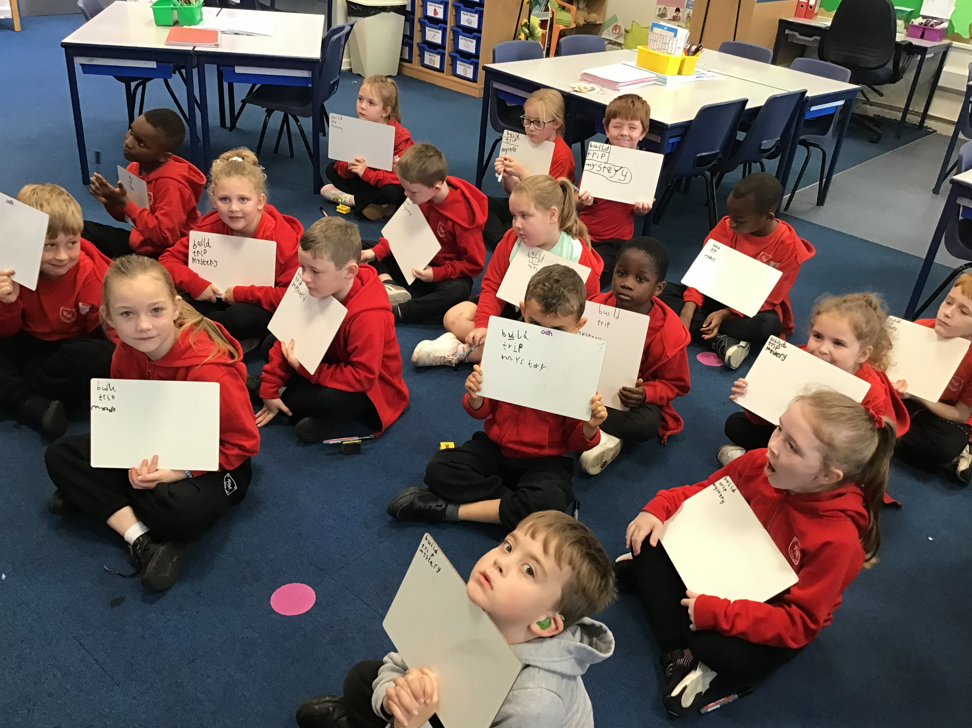
Pupils are taught to understand the sound–spelling correspondences of English and how to apply these skills to segment (for spelling) and blend (for reading).
-
Teaching is explicit and consistent, supporting children to develop secure decoding skills and reduce cognitive load.
-
Decodable reading books are fully aligned with Sounds-Write progression, ensuring pupils only encounter spellings they have been taught, allowing them to experience success and build confidence.
-
Regular practice and repetition enable pupils to develop fluency and automaticity in reading.
-
Staff receive ongoing training to ensure high-quality, consistent delivery of the programme across the school.
-
Early identification and targeted intervention ensure that any pupils at risk of falling behind receive timely and effective support.
-
Reading is prioritised through daily opportunities to apply phonics knowledge in meaningful contexts, including shared reading and story time.
Impact
-
Pupils develop secure, automatic decoding skills, enabling them to read fluently and with confidence.
-
Children apply their phonics knowledge accurately when reading and spelling.
-
The majority of pupils meet or exceed expected standards in the Year 1 Phonics Screening Check.
-
Pupils demonstrate increased fluency, allowing them to focus on comprehension as they progress.
-
Gaps between groups are reduced through effective teaching and targeted support.
-
Children develop positive attitudes towards reading, seeing themselves as successful and capable readers.
Phonics
What is Sounds-Write?
Sounds-Write is a structured phonics programme that teaches children how to read and spell by understanding how the English language works. It helps children learn how sounds are represented by letters and how to use this knowledge to read words and write them.
In Sounds-Write lessons, children are taught to:
-
Blend sounds together to read words
-
Segment words into sounds to spell
-
Recognise different ways of writing the same sound
The programme is taught step by step, building confidence and ensuring children practise until skills become automatic. This means children quickly become accurate, fluent readers who understand what they are reading.
At school, children read books that match what they have been taught, so they feel successful and develop a love of reading from the very beginning.
How Sounds-Write Books Are Given to Children
At our school, reading books are carefully matched to each child’s phonic knowledge, following the Sounds-Write progression.
Children are given decodable reading books that contain only the sounds and spellings they have already been taught in phonics lessons. This means they are able to apply their learning successfully, building confidence and fluency as early readers.
Each week, children will:
-
Take home a Sounds-Write decodable book to practise reading
-
Re-read the same book several times to build fluency, accuracy and expression
-
Have opportunities to read the book in school with an adult before taking it home
In addition to their phonics book, children may also choose a separate sharing book from the library. This book is for enjoyment and is often read with a grown-up, as it may include words not yet taught in phonics.
We encourage parents and carers to:
-
Listen to their child read regularly at home
-
Support them in sounding out and blending words
-
Re-read the book to help build confidence and fluency
-
Keep reading sessions positive and encouraging
By closely matching books to children’s learning, we ensure that every child experiences success and develops into a confident, enthusiastic reader.
Free online course for parents - Help your child to read and write
The sounds write app - https://apps.apple.com/gb/app/id769196201?affId=1736887
Phonics Screening check
What is the Phonics Screening Check?
The Phonics Screening Check is a short, statutory assessment that takes place at the end of Year 1. It is designed to assess how well children can use the phonics skills they have learned to read words.
During the check, children are asked to read 40 words aloud to a familiar adult. These include both real words and ‘alien’ (pseudo) words, which are used to ensure that children are relying on their decoding skills rather than memory. The check is carried out in a calm, familiar environment and is intended to be a positive experience for pupils.
The purpose of the screening is to:
-
Confirm that children are making good progress in phonics
-
Identify any pupils who may need additional support with reading
-
Ensure all children develop secure early reading skills
The results are shared with parents, and any child who does not meet the expected standard will receive additional support and will have the opportunity to retake the check in Year 2.
We prepare children for the Phonics Screening Check through our daily Sounds-Write lessons, ensuring they are confident, well-practised and ready to succeed.
How Can Parents Help at Home?
We believe that reading is a partnership between school and home, and your support plays a vital role in helping your child become a confident and enthusiastic reader.
There are many simple and effective ways you can support your child’s reading development:
Listen to Your Child Read Regularly
-
Encourage your child to read their Sounds-Write book consistently, re-reading it several times to build fluency and confidence
-
Give them time to sound out unfamiliar words and blend the sounds together
-
Offer praise and encouragement to build their confidence
Share Books Together
-
Read your child’s library or sharing book aloud to them, especially if it is more challenging
-
Talk about the story, characters and illustrations
-
Make reading a positive and enjoyable experience
Develop Understanding
-
Ask simple questions about what they have read, such as:
-
What happened in the story?
-
Who was your favourite character?
-
What do you think will happen next?
-
Encourage them to explain their thinking
Practise Little and Often
-
Short, regular reading sessions (5–10 minutes) are often more effective than longer sessions
-
Build reading into your daily routine, such as before bedtime
Promote a Love of Reading
-
Let your child see you reading at home
-
Visit libraries or bookshops together
-
Talk about books and share recommendations
Support Phonics
-
Encourage your child to use their phonics skills to decode unfamiliar words
-
Avoid guessing words—support them in sounding out instead
By working together, we can help your child develop the confidence, skills and enjoyment needed to become a successful, lifelong reader.
PSC video for parents - https://youtu.be/tNFn6QNhwqs?si=xeb8OecZ-FZPDqYV